
 By Admin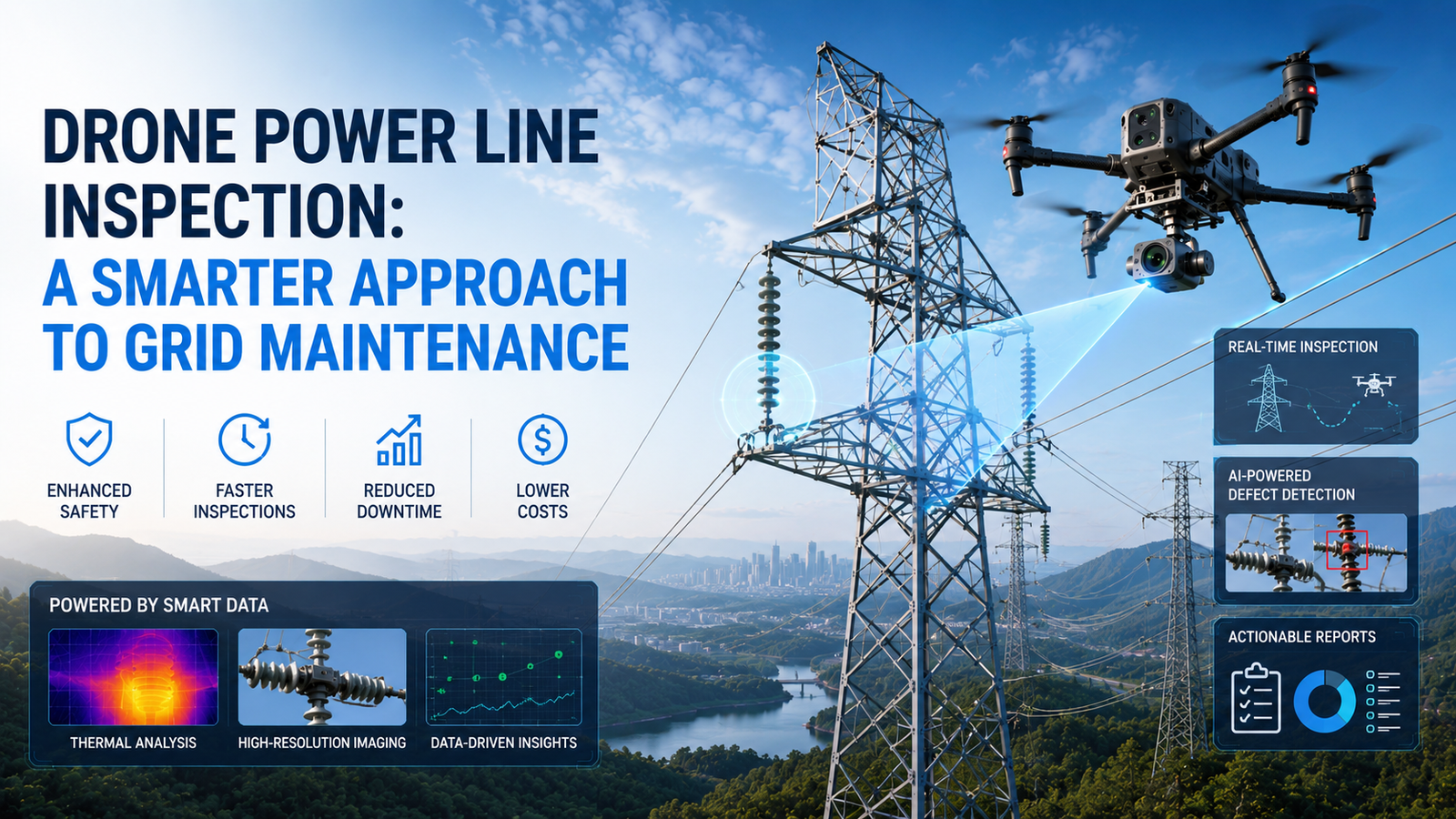
The energy and utility sector is undergoing a major technological transformation, and one of the most impactful innovations is drone power line inspection. Traditional methods of inspecting transmission lines and electrical infrastructure are often expensive, time-consuming, and risky for workers. Drone technology has introduced a smarter, faster, and safer approach to maintaining modern power grids.
Utility companies are increasingly adopting drone-based inspections to improve operational efficiency, reduce maintenance costs, and enhance the reliability of electrical infrastructure. Equipped with advanced sensors, thermal imaging cameras, AI-powered analytics, and autonomous navigation systems, drones are changing the future of grid maintenance.
The Growing Importance of Drone Power Line Inspection
Power lines extend across vast distances, often passing through difficult terrain, forests, mountains, and urban environments. Inspecting these networks manually can be extremely challenging and labor-intensive.
This is where drone power line inspection offers a revolutionary advantage. Drones can quickly fly along transmission corridors, capture high-resolution data, and identify issues before they escalate into major failures.
Modern utility providers use drones to inspect:
- Transmission towers
- Distribution lines
- Substations
- Insulators
- Conductors
- Transformers
- Vegetation encroachment areas
By automating inspections, utility companies can ensure uninterrupted electricity supply while minimizing operational disruptions.
Improved Safety for Utility Workers
One of the primary benefits of drone power line inspection is enhanced worker safety. Traditional inspections often require technicians to climb high-voltage towers, use helicopters, or work in dangerous environments.
Drone technology significantly reduces these risks. Operators can conduct inspections remotely while drones safely navigate around energized power lines and elevated structures.
Using drones helps utilities avoid:
- Fall hazards
- Electrical exposure
- Difficult terrain access
- Extreme weather risks
- Helicopter-related dangers
This safer inspection process protects workers while improving inspection efficiency.
Faster and More Efficient Inspections
Manual inspections of power lines can take days or even weeks, depending on the size of the network. Drones dramatically accelerate the inspection process.
A typical drone power line inspection can cover long distances in a short amount of time while capturing detailed visual and thermal data. This enables utility companies to identify maintenance issues quickly and respond proactively.
Drones can inspect:
- Hundreds of towers in a single day
- Remote transmission routes
- Hard-to-access infrastructure
- Storm-damaged areas
- Emergency outage zones
Faster inspections help reduce downtime and improve overall grid reliability.
High-Quality Data Collection
Modern inspection drones are equipped with advanced imaging technologies that provide highly accurate data. Utility companies can use this information to detect structural problems and plan preventive maintenance.
Common drone technologies used in drone power line inspection include:
- High-resolution optical cameras
- Thermal imaging sensors
- LiDAR mapping systems
- AI-based defect detection
- GPS and geospatial analytics
These systems help detect:
- Corrosion
- Loose fittings
- Damaged insulators
- Hotspots
- Vegetation interference
- Structural wear
Accurate inspection data enables better decision-making and improves long-term infrastructure management.
Reduced Maintenance Costs
Power line maintenance can be extremely expensive when using traditional inspection methods such as helicopters, cranes, or large field crews.
Drone power line inspection reduces these costs significantly by minimizing labor requirements and inspection time. Drones also eliminate the need for expensive shutdowns in many situations.
Cost-saving advantages include:
- Reduced manpower
- Lower equipment costs
- Faster inspections
- Minimal service interruption
- Early defect detection
- Reduced emergency repairs
Preventive maintenance supported by drone data helps utilities avoid costly infrastructure failures.
Real-Time Monitoring and Predictive Maintenance
One of the biggest advantages of drone inspections is the ability to perform real-time monitoring and predictive maintenance.
AI-powered drone systems can analyze inspection data immediately and detect abnormalities before they become critical problems. This proactive approach allows utility providers to repair assets before outages occur.
With drone power line inspection, companies can create predictive maintenance programs that improve the lifespan and reliability of grid infrastructure.
Real-time insights help utilities:
- Prevent unexpected failures
- Optimize maintenance schedules
- Improve asset performance
- Reduce operational risks
- Enhance grid resilience
Predictive maintenance is becoming essential for modern smart grid operations.
The Role of Autonomous Drone Technology
Autonomous drone systems are making inspections even more advanced and efficient. These drones can follow pre-programmed flight paths, avoid obstacles, and capture inspection data automatically.
Autonomous features used in drone power line inspection include:
- Automated route planning
- AI-based navigation
- Collision avoidance systems
- Automated reporting
- Cloud-based data integration
Autonomous operations reduce human error and improve consistency across inspection missions.
As utility networks expand, autonomous drones provide scalable solutions for large-scale infrastructure monitoring.
Drone Technology Beyond Utilities
Drone technology is also transforming industries outside the utility sector. Construction companies, infrastructure developers, and engineering firms are increasingly adopting drones for surveying, inspection, and project management.
Many organizations searching for the best drone for construction are also exploring drone systems that support power line inspection capabilities. Advanced industrial drones offer versatile functionality for multiple industries.
The best drone for construction projects often includes features such as:
- 3D mapping
- Thermal imaging
- Progress monitoring
- Site surveying
- Structural inspection
- Asset documentation
Construction firms benefit from drone technology by improving project accuracy, safety, and operational efficiency.
Environmental Benefits of Drone Inspections
Drone inspections are also environmentally friendly compared to traditional helicopter inspections.
Helicopters consume large amounts of fuel and generate higher emissions, while drones operate using rechargeable batteries with minimal environmental impact.
By adopting drone power line inspection, utility providers can support sustainability goals while improving inspection efficiency.
Environmental benefits include:
- Lower carbon emissions
- Reduced fuel consumption
- Minimal environmental disturbance
- Efficient vegetation monitoring
This makes drone technology an important part of sustainable infrastructure management.
Emergency Response and Disaster Recovery
Extreme weather events, storms, and natural disasters often damage power infrastructure. Rapid inspections are critical for restoring electricity services quickly.
Drones provide a fast and effective solution during emergencies. Utility companies use drone power line inspection to assess storm damage, locate faults, and prioritize repair operations.
Drones can safely inspect dangerous or inaccessible areas immediately after disasters, helping crews restore power faster.
This rapid response capability improves emergency management and minimizes service disruptions for customers.
Future of Smart Grid Maintenance
As power grids become more intelligent and interconnected, drone technology will play an even greater role in infrastructure management.
Future developments in drone power line inspection may include:
- Fully autonomous inspection fleets
- AI-driven predictive analytics
- Digital twin integration
- Real-time cloud monitoring
- Remote command centers
- Advanced robotic maintenance systems
Utility companies that invest in drone technology today are positioning themselves for the future of smart grid operations.
Conclusion
Modern utility infrastructure requires faster, safer, and more efficient inspection methods. Drone power line inspection has emerged as a smarter approach to grid maintenance by improving safety, reducing costs, and delivering highly accurate inspection data.
From predictive maintenance and emergency response to autonomous operations and AI-powered analytics, drones are transforming how utilities manage critical infrastructure.
At the same time, industries searching for the best drone for construction are also recognizing the value of advanced drone technology for inspections, mapping, and infrastructure management.
As drone innovation continues to evolve, utility providers and industrial organizations will increasingly rely on intelligent drone systems to ensure reliable, safe, and sustainable operations.