 By Admin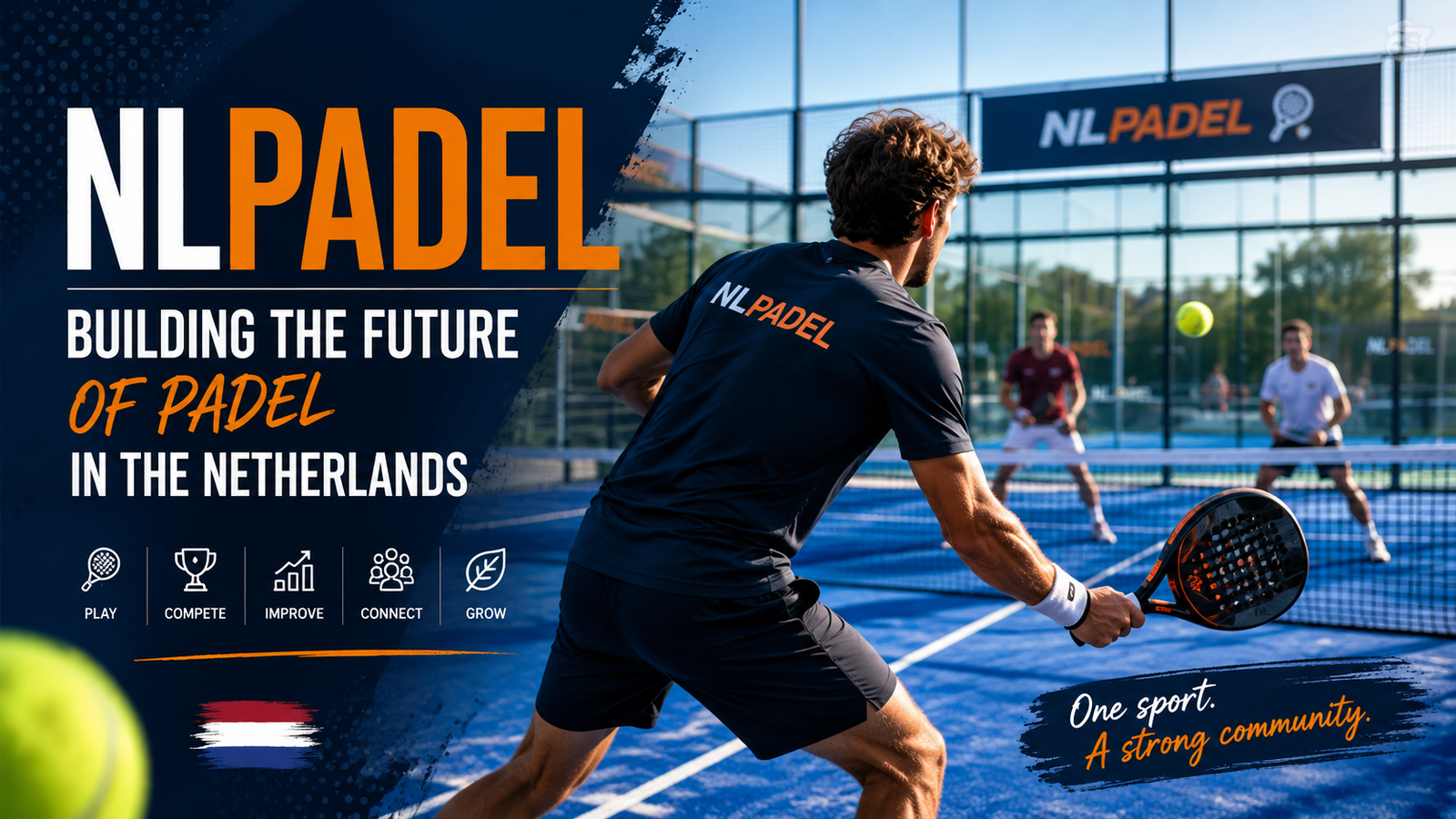
Padel has gone from a niche racket sport to a national phenomenon in many countries, and the Netherlands is right at the center of that growth. If you’ve spent any time around modern sports communities, you’ve probably heard the term NLPadel. And honestly, it’s more than just a name.
NLPadel represents the growing Dutch padel ecosystem — a network of players, clubs, tournaments, coaching programs, and digital innovations that are helping shape the future of the sport. As padel continues attracting new players every year, NLPadel has become a symbol of how the Netherlands is embracing one of the world’s fastest-growing sports.
What Is NLPadel?
At its core, NLPadel refers to the organized development of padel within the Netherlands. The term combines “NL” (Netherlands) and “Padel,” the exciting racket sport that blends elements of tennis and squash.
Unlike traditional tennis, padel is played on a smaller enclosed court surrounded by glass and mesh walls. These walls are part of the game, creating fast-paced rallies and strategic shot-making that make the sport incredibly engaging.
But NLPadel isn’t only about playing matches.
It’s about building a complete ecosystem where players can:
- Find local clubs and courts
- Participate in tournaments
- Access coaching programs
- Connect with other players
- Track rankings and progress
- Learn the sport more effectively
And that’s a big reason why the movement has gained so much momentum.
Why Is Padel Growing So Quickly?
There are plenty of reasons. Some obvious. Others not so much.
One of the biggest attractions of padel is how easy it is to learn. Unlike tennis, beginners can enjoy long rallies almost immediately. You don’t need years of training to have fun.
A few factors driving padel’s popularity include:
- Beginner-friendly gameplay
- Social doubles format
- Smaller court size
- Fast learning curve
- Suitable for all ages
- Less physically demanding than tennis
Many players describe padel as addictive. Once people experience the strategic use of walls and the fast-paced nature of the game, they tend to come back for more.
The Evolution of NLPadel
The Dutch padel scene has changed dramatically over the past decade.
What started with a limited number of courts has evolved into a rapidly expanding sports network. The integration of padel into the Dutch sports structure provided the sport with greater visibility, professional management, and long-term development opportunities.
Today, NLPadel focuses on several key areas:
| Area | Purpose |
|---|---|
| Club Development | Expanding access to padel facilities |
| Coaching Programs | Training players and instructors |
| Tournament Organization | Creating competitive opportunities |
| Community Building | Connecting players nationwide |
| Technology Integration | Improving player experiences |
| Youth Development | Encouraging future generations |
This balanced approach has helped create a strong foundation for sustainable growth.
What Makes Padel Different?
People often compare padel to tennis. That’s understandable.
But once you step onto a padel court, the differences become obvious.
Key Differences Between Tennis and Padel
| Feature | Tennis | Padel |
| Court Size | Larger | Smaller |
| Racket | Strung racket | Solid perforated racket |
| Wall Usage | Not used | Part of gameplay |
| Learning Curve | Moderate | Easier for beginners |
| Typical Format | Singles and doubles | Mostly doubles |
| Rally Length | Shorter for beginners | Often longer |
The use of walls creates endless tactical possibilities.
Sometimes a shot that appears impossible suddenly becomes playable after bouncing off the glass. That’s where much of the excitement comes from.
And honestly… that’s why so many players get hooked.
The Community Aspect of NLPadel
One thing that separates padel from many other sports is its social nature.
The game is almost always played in doubles. Because of this, players naturally interact, communicate, and build friendships. Clubs become social hubs rather than just sports facilities.
Many Dutch padel venues now host:
- Weekly social matches
- Beginner nights
- Corporate tournaments
- Family events
- Coaching clinics
- Community leagues
For many participants, the social experience becomes just as important as the competition itself.
Technology and Innovation
Sports are becoming increasingly digital, and NLPadel is embracing that trend.
Modern padel ecosystems use technology to simplify everything from court bookings to performance tracking. Players can often reserve courts online, enter tournaments through mobile apps, and monitor rankings with just a few taps.
Emerging innovations include:
- Smart booking systems
- Digital score tracking
- Performance analytics
- AI-powered coaching tools
- Online player communities
These technologies help create a smoother experience for both casual players and serious competitors.
Challenges Facing NLPadel
Growth sounds exciting. And it is.
But rapid expansion also creates challenges.
Some of the biggest issues include:
1. Court Availability
Demand often exceeds supply. In many areas, players struggle to book courts during peak hours.
2. Infrastructure Costs
Building high-quality padel courts requires significant investment.
3. Urban Space Limitations
Finding suitable locations for new courts can be difficult, especially in densely populated cities.
4. Maintaining Accessibility
As the sport becomes more professional, organizers must ensure beginners still feel welcome.
These challenges are real, but they also indicate how popular the sport has become.
The Future of NLPadel
The future looks incredibly promising.
Participation numbers continue to grow, new clubs are opening, and international padel tournaments are attracting larger audiences every year. Organizations around the world are investing heavily in the sport’s development, creating opportunities for players at every level.
Looking ahead, several trends seem likely:
- More indoor padel facilities
- Increased youth participation
- Advanced training technologies
- Larger tournament circuits
- Greater international recognition
- Expanded coaching programs
And perhaps most importantly, stronger communities.
Because while padel is certainly a sport, it’s also becoming a lifestyle for many people.
Final Thoughts
NLPadel represents much more than a simple sports initiative. It reflects how a modern sporting community can grow through accessibility, innovation, and genuine human connection.
The appeal is easy to understand. The game is fun. The learning curve isn’t intimidating. People of different ages and skill levels can compete together. And the social atmosphere makes every match feel like more than just a game.
As padel continues expanding across Europe and beyond, NLPadel stands as an example of how thoughtful organization and community-driven growth can transform a sport into a movement.
And judging by current trends, this movement is only getting started.