 By Osman Blake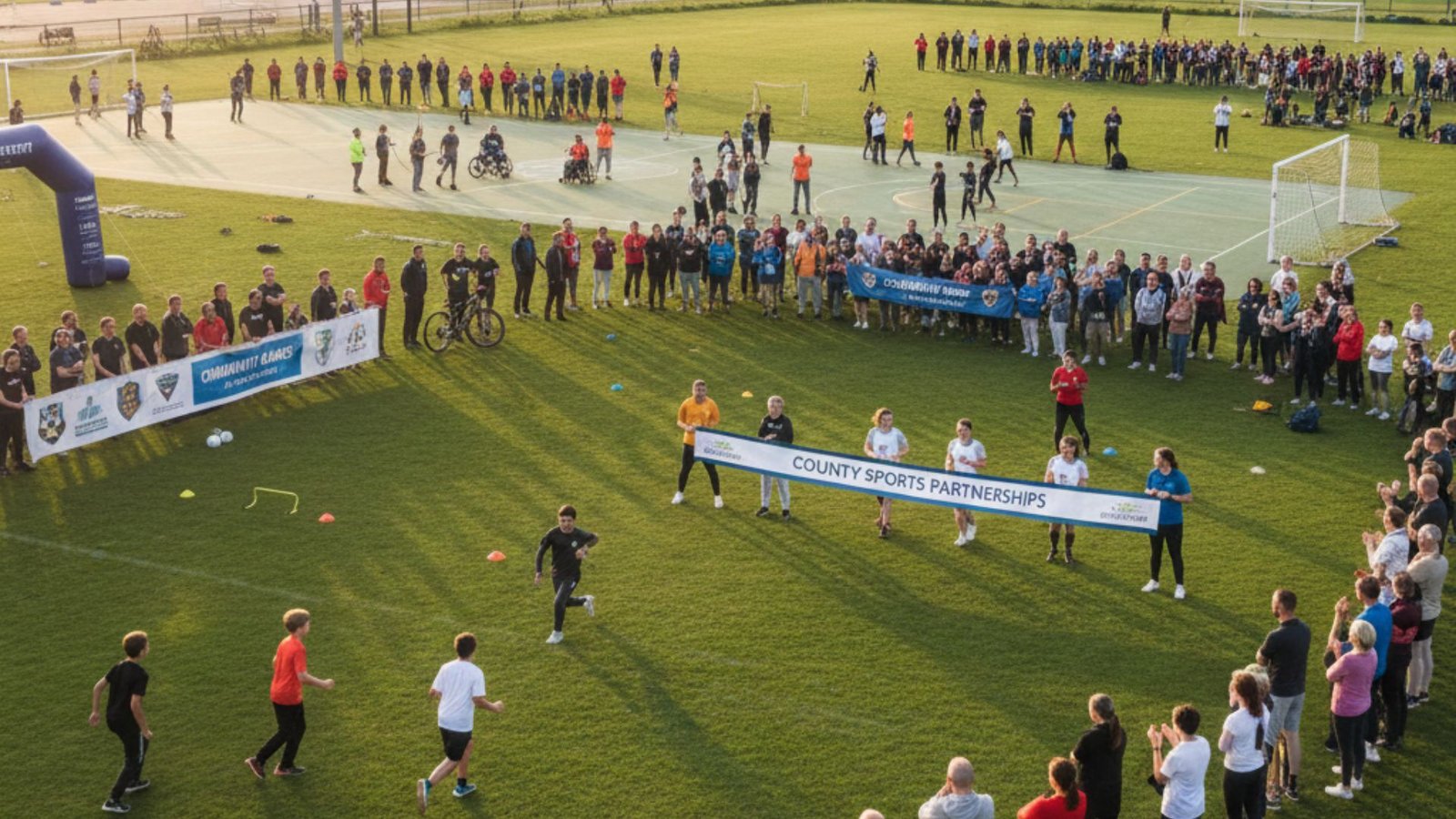
If you’ve ever wondered why grassroots sport feels stronger in some areas than others, the answer often isn’t money. Or fancy facilities. Or even talent.
It’s partnership.
Specifically, county sports partnerships — the quiet connectors working behind the scenes, pulling clubs, schools, councils, volunteers, and communities into something that actually works. Not perfectly. Not smoothly all the time. But effectively.
And honestly… without them, a lot of local sport would struggle to survive.
Let’s talk about what county sports partnerships really are, how they work, why they matter, and where they sometimes get it wrong. No jargon overload. Just real-world explanation.
What Are County Sports Partnerships, Really?
At their core, county sports partnerships are local organisations designed to support sport and physical activity at a county or regional level. They’re not clubs. They’re not governing bodies. And they’re definitely not just funding offices.
They’re coordinators.
They connect people who often don’t talk to each other — schools, sports clubs, health services, local councils, charities, and private organisations. And they try to align everyone around one simple idea:
Get more people active. Keep them active. Make sport accessible.
Sounds simple. It isn’t.
What County Sports Partnerships Actually Do (Day to Day)
This is where things get practical. And a bit messy. Because their work stretches across many areas at once.
Some of the most common roles include:
-
Supporting local sports clubs with advice, training, and development
-
Helping schools improve PE, school sport, and activity programs
-
Working with councils to improve access to facilities
-
Running inclusion programs for underrepresented groups
-
Applying for and distributing funding
-
Training coaches, volunteers, and officials
-
Linking sport with health, wellbeing, and social outcomes
And that’s not even everything.
One day they’re in a boardroom discussing strategy. The next day they’re at a muddy pitch talking to volunteers who are burned out but still showing up. That mix matters.
Why County Sports Partnerships Matter So Much
Here’s the honest truth — without these partnerships, local sport becomes fragmented. Everyone does their own thing. Clubs compete instead of collaborate. Schools get left behind. Smaller communities miss out.
County sports partnerships help prevent that.
They:
-
Reduce duplication of effort
-
Share resources more effectively
-
Support clubs that don’t have admin skills
-
Keep sport inclusive, not elite-only
-
Help funding reach the right places
And maybe most importantly… they give smaller voices a seat at the table.
Not every club has influence. Not every school has connections. Partnerships help balance that.
The People They Serve (It’s Not Just Athletes)
One mistake people make is assuming county sports partnerships only focus on players.
They don’t.
Their work touches:
-
Children who’ve never joined a club
-
Adults returning to activity after years away
-
People with disabilities
-
Women and girls facing participation barriers
-
Older adults wanting social movement
-
Volunteers trying not to burn out
-
Coaches needing guidance
-
Communities lacking facilities
Sport becomes a tool. Not the end goal.
Key Benefits for Local Communities
When county sports partnerships work well, you can feel it across the area. Slowly, maybe quietly. But it shows.
Some real benefits include:
-
Stronger local clubs with better governance
-
Safer, more inclusive sporting environments
-
Increased participation across age groups
-
Better mental health and social connection
-
Stronger volunteer networks
-
Improved use of public facilities
And yes… sometimes better talent pathways too. But that’s not the headline goal.
How Funding Fits Into the Picture
Funding is part of it. But it’s not the whole story.
County sports partnerships often:
-
Apply for national or regional funding
-
Manage grant distribution
-
Help clubs write funding applications
-
Monitor outcomes and reporting
But money alone doesn’t create participation.
The real value is guidance — helping organisations use funding wisely, not waste it on short-term ideas that fade after six months.
A Simple Breakdown of Their Core Functions
Here’s a quick overview to keep things clear:
| Area of Work | What It Involves |
|---|---|
| Club Support | Governance advice, safeguarding, growth planning |
| Education | School sport programs, PE support |
| Inclusion | Disability sport, gender equality, access initiatives |
| Workforce | Coach education, volunteer training |
| Facilities | Access planning, community use |
| Health & Wellbeing | Linking sport with public health goals |
Not glamorous. But essential.
Challenges County Sports Partnerships Face (Yes, There Are Many)
It wouldn’t be honest to pretend everything runs smoothly.
County sports partnerships deal with real challenges, like:
-
Limited funding with growing expectations
-
Volunteer fatigue across grassroots sport
-
Conflicting priorities between organisations
-
Bureaucracy and reporting pressure
-
Short-term funding cycles
-
Resistance to change in traditional clubs
And sometimes… simple misunderstanding of their role.
People expect instant results. Sport doesn’t work like that.
Collaboration Is the Real Power
The word “partnership” isn’t decorative. It’s the whole point.
Effective county sports partnerships succeed because they:
-
Listen before acting
-
Build trust over time
-
Stay neutral between competing interests
-
Focus on long-term impact
-
Adapt based on feedback
They don’t own sport. They support it.
And when collaboration clicks — schools talk to clubs, councils talk to health teams, volunteers feel supported — things move.
Slowly. But forward.
Modern Sports, New Activities, Wider Reach
Sport isn’t just football, cricket, or athletics anymore. Participation habits are changing.
County partnerships are increasingly supporting:
-
Non-traditional sports
-
Social and recreational formats
-
Short-session programs
-
Adult beginners
-
Inclusive activities with flexible rules
This is where organisations like county sports partnerships can connect emerging sports with existing community structures — giving them legitimacy and reach without forcing them into outdated systems.
And that balance matters.
The Human Side of It All
Behind every partnership is a small team. Often underpaid. Often overstretched. Usually passionate.
They answer emails late. Attend weekend events. Mediate disagreements. Encourage clubs that are close to giving up. And celebrate small wins most people never see.
Like a school restarting PE properly.
Or a club finally welcoming new members.
Or a volunteer deciding to stay one more season.
Those moments don’t trend online. But they matter.
Why the Future Depends on These Partnerships
Looking ahead, county sports partnerships will matter even more.
Because:
-
Public health challenges are increasing
-
Social isolation is growing
-
Facility costs are rising
-
Volunteer numbers are under pressure
-
Sport needs to be more inclusive than ever
No single organisation can solve that alone.
Partnership isn’t optional anymore. It’s survival.
Final Thoughts (Not a Grand Ending… Just a Real One)
County sports partnerships aren’t flashy. They don’t chase headlines. And they rarely get credit when things go right.
But take them away — and local sport starts to crack.
So next time you see a thriving club, a busy community hall, or kids enjoying sport without pressure… there’s a good chance a partnership helped make that happen.
Quietly. Steadily. And with a lot of effort behind the scenes.
And that’s worth acknowledging.
 Admin
Admin