
 By Admin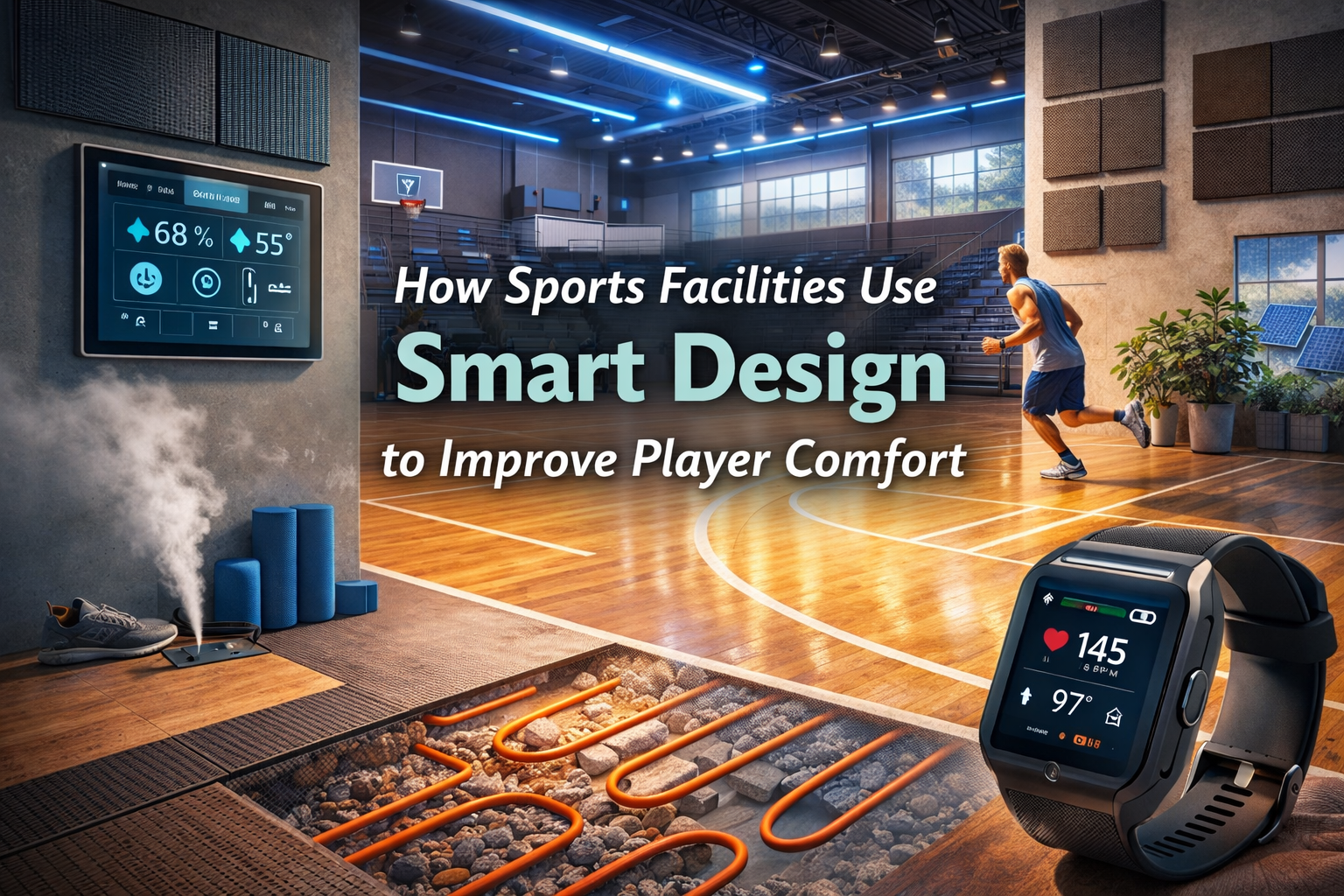
Understanding the Basics of Sports Facility Design
Modern sports facilities are designed with the athlete’s performance and comfort in mind. These spaces integrate various elements, such as air quality, lighting, and acoustics, to create an optimal environment. By emphasizing these factors, facilities aim to reduce distractions and enhance focus for athletes.
Material selection in facility design plays a crucial role in athlete comfort. High-quality flooring materials absorb impact and reduce fatigue during physical activities. Additionally, temperature regulation is essential, as it helps maintain an ideal environment for both training and competitions.
One significant innovation in facility design is the implementation of heated floors. Understanding how heated floors influence home design can provide insights into their benefits in sports settings. These systems not only offer thermal comfort but also improve air quality and reduce humidity levels.
Incorporating Advanced Technology for Player Comfort
Technology integration is revolutionizing the way sports facilities cater to athletes’ needs. Smart systems for lighting and climate control are now commonplace, allowing for customized environments. These advancements ensure that athletes can train in conditions tailored to their specific requirements.
Wearable technology is another frontier being embraced in sports design. By tracking physiological data such as heart rate and temperature, facilities can adjust internal conditions in real-time. This personalized approach boosts performance and minimizes the risk of injuries.
In terms of infrastructure, the implementation of smart solutions often requires significant investment. However, the long-term benefits, including energy efficiency and improved athlete satisfaction, justify the initial cost. As technology continues to evolve, sports facilities will likely see even more innovative solutions emerge.
Related article:
Elevate Your Sports Viewing Experience
Optimizing Acoustics for Enhanced Focus
Sound management within sports facilities is often overlooked, yet it plays a vital role in athlete performance. Excessive noise can be distracting and affect concentration during training sessions and competitions. By designing spaces with acoustic considerations, facilities can enhance focus and overall experience.
Materials such as acoustic panels and sound-absorbing flooring are increasingly used in sports facility design. These elements help dampen unwanted noise and create a more controlled environment. Reducing echo and ambient sound ensures clearer communication between players and coaches.
Designers also consider the layout of spaces to optimize acoustics. Strategic placement of rooms and barriers can prevent noise from spreading, allowing for quieter and more conducive zones within the facility. These adjustments work together to create a harmonious setting for athletes.
Prioritizing Health and Safety in Facility Design
Health and safety are top priorities in sports facility design, influencing various aspects from layout to material selection. Ensuring the health of athletes involves creating environments that minimize risks and promote well-being. This focus extends to emergency preparedness and accessibility features.
By using non-toxic and eco-friendly materials, facilities can improve indoor air quality and reduce health risks. Proper ventilation systems further contribute to a safe environment, preventing the buildup of harmful pollutants. These measures collectively foster a healthier space for athletes to train and compete.
Safety features are seamlessly integrated into the design, such as anti-slip surfaces and rounded edges. These elements help prevent injuries during physical activities. Moreover, easily accessible facilities ensure that athletes with disabilities can train safely and comfortably.
Related article:
Residential Plumbing Services Every Homeowner Should Know
Enhancing Player Interaction with Thoughtful Design
The social aspect of sports is crucial, and facilities can foster camaraderie through thoughtful design. Creating spaces that encourage interaction among athletes enhances team spirit and cooperation. Common areas, lounges, and open-plan locker rooms facilitate these connections.
Designing facilities with adaptable spaces allows for various team activities and events. From strategic seating arrangements to multifunctional rooms, these elements support both physical and social activities. Such environments not only improve morale but also enhance overall athletic performance.
Attention to the visual elements of a facility can also influence player interaction. By using colors and designs that evoke energy and positivity, facilities can create inviting environments. These subtle aspects contribute to a sense of community among athletes.
Sustainability as a Design Principle in Sports Facilities
Sustainability in sports facility design is gaining traction, with eco-friendly practices becoming a central focus. Utilizing renewable energy sources and sustainable materials reduces the environmental impact and operational costs. This approach not only benefits the environment but also aligns with growing ecological awareness among athletes.
Sports facilities are adopting designs that prioritize natural light and temperature control, minimizing reliance on artificial resources. Green roofs and walls, alongside rainwater harvesting systems, further enhance sustainability efforts. These practices indicate a shift towards responsible design that balances comfort and environmental considerations.
Sustainable design also involves encouraging eco-friendly behaviors among athletes and staff. By incorporating recycling stations and promoting conscious practices, facilities can foster a culture of environmental responsibility. These initiatives ensure that sustainability becomes an integral part of sports.
Related article:
Investing in the Netherlands: Key Opportunities and Risks
Future Trends in Sports Facility Design
The future of sports facility design promises to bring more innovations driven by technology and sustainability. With advancements in smart materials and IoT devices, facilities will become increasingly adaptive and user-centric. This technological shift will enhance athletic performance and improve the overall experience.
Virtual and augmented reality are poised to become part of the training environment, offering immersive experiences that replicate real-life scenarios. These tools will aid in skill development and performance analysis, providing athletes with new ways to train.
As design trends evolve, a focus on mental well-being and inclusivity is anticipated. Facilities will incorporate spaces for relaxation and mental health support, recognizing the holistic needs of athletes. This inclusive approach ensures that all athletes, regardless of ability, can benefit from state-of-the-art facilities.
Frequently Asked Questions
What role does technology play in modern sports facility design?
Technology is integral to modern sports facility design, enabling customized environments through smart climate control and lighting systems. Wearable technologies provide real-time data, allowing facilities to adjust conditions to optimize player performance.
How do sports facilities manage noise levels?
Noise management involves using materials like acoustic panels and sound-absorbing floors. Strategic placement of rooms and barriers minimizes noise spread, creating controlled environments for clearer communication and focus.
Why is sustainability important in sports facilities?
Sustainability reduces environmental impact and operational costs. Facilities use renewable energy, sustainable materials, and promote eco-friendly behaviors, aligning with growing ecological awareness among athletes.
Can facility design impact player interaction?
Yes, thoughtful design fosters interaction through adaptable spaces, strategic seating, and visual elements that encourage community. Common areas and open-plan rooms are designed to enhance team spirit and cooperation.
What are future trends in sports facility design?
Future trends include the use of smart materials, IoT devices, and virtual/augmented reality for immersive training. There’s a growing focus on mental well-being and inclusivity, ensuring holistic support for all athletes.
Conclusion
Incorporating smart design elements into sports facilities significantly enhances athlete comfort and performance. From advanced technology to sustainable practices, these spaces are designed to meet the evolving needs of modern athletes. Thoughtful design goes beyond aesthetics, focusing on creating environments that support physical and mental well-being.
As trends continue to evolve, the integration of cutting-edge technologies and a focus on holistic well-being will drive further innovations in sports facility design. By prioritizing these aspects, facilities not only improve the athlete’s experience but also contribute to a sustainable and inclusive sporting community.
 Digitaxa