
 By Admin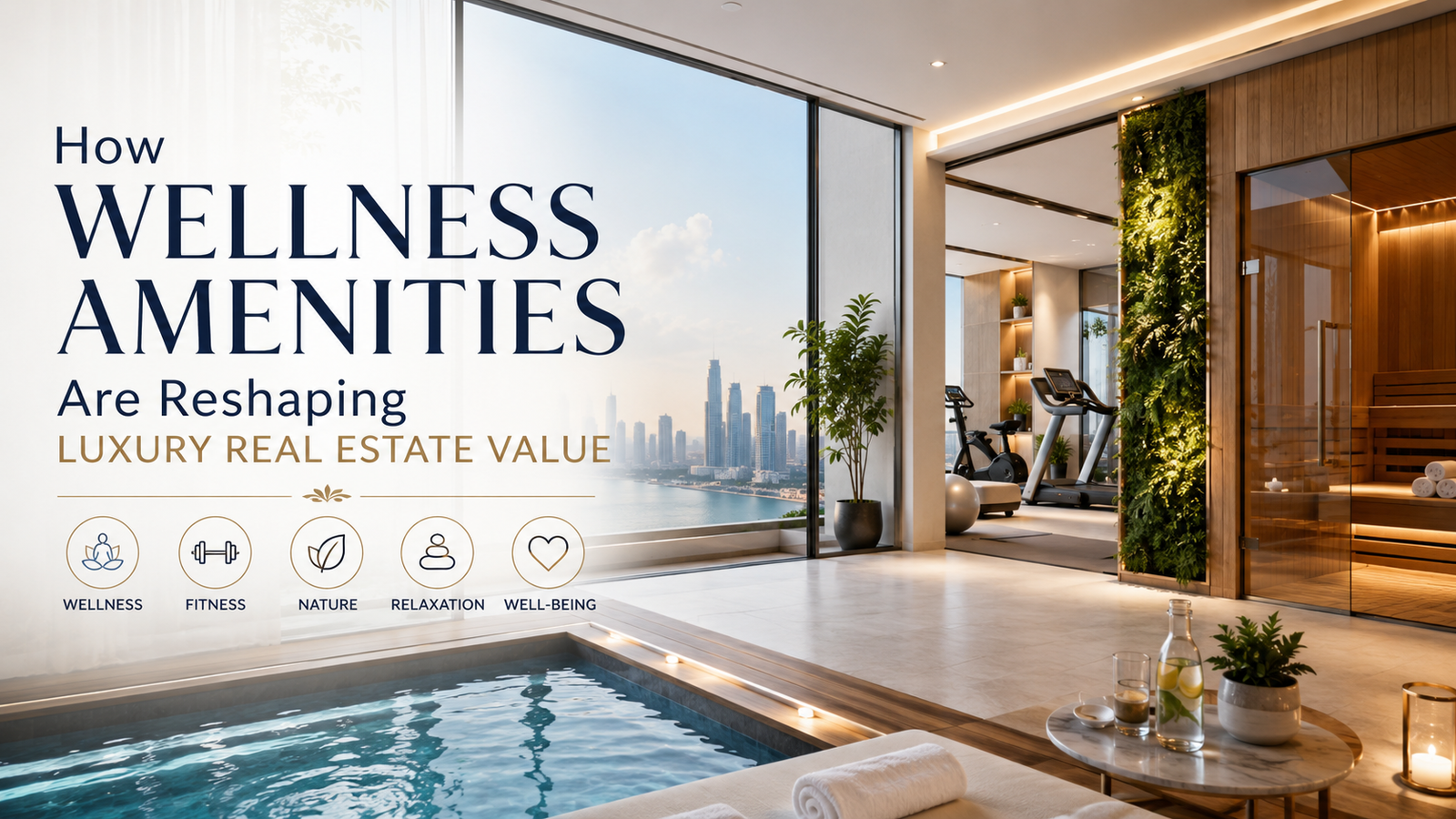
The Rise of Wellness in Real Estate
In recent years, the integration of wellness amenities in luxury real estate has become a pivotal factor in property valuation. As health and well-being take center stage, the demand for spaces that support these lifestyles has grown exponentially. This trend is reshaping how developers approach the design and marketing of high-end properties.
Wellness amenities encompass a wide range of features, from state-of-the-art fitness centers to serene spa facilities. Incorporating elements of spa architecture and real estate value enhances the attraction of these properties. Buyers are increasingly seeking environments that offer relaxation and rejuvenation in addition to luxury living.
Developers are responding by creating spaces that prioritize natural light, airflow, and high-quality materials. These elements contribute to an environment that not only meets aesthetic standards but also promotes physical and mental wellness. As a result, properties with such features are often seen as more attractive investments.
Key Wellness Features in Luxury Properties
Luxury real estate now often includes features specifically designed to enhance well-being, such as advanced water and air purification systems. These systems ensure that residents breathe the cleanest air possible, contributing to overall health. Additionally, the inclusion of circadian lighting systems supports natural sleep patterns.
Meditation rooms and yoga studios are becoming standard in many luxury developments. These spaces provide serene environments for relaxation and personal growth, attracting buyers who prioritize mental health. Such features reflect a growing awareness of the holistic benefits associated with mindfulness practices.
Communal gardens and green spaces are another increasingly popular feature. They not only enhance property aesthetics but also offer a peaceful retreat for residents. Access to nature has been shown to lower stress levels, making these amenities a highly valued addition.
Related article:
Creating the Perfect Indoor Environment with Houseplants
Impact on Property Value
Wellness amenities significantly increase the market value of luxury properties. Real estate agents report a premium on homes equipped with high-end wellness features compared to those without. This premium is not just theoretical; it reflects a tangible increase in demand and interest from potential buyers.
Prospective buyers view these amenities as essential components of a luxury lifestyle, translating to higher sale prices. Developers have noted that properties with comprehensive wellness offerings sell faster and command higher prices than their less-equipped counterparts. The investment in such features often results in substantial returns.
Moreover, the presence of these amenities positions real estate as not just a home but a wellness experience. Buyers appreciate this added value, understanding that it enhances the quality of life and provides long-term benefits. As this trend continues, the impact on property value will likely grow even more pronounced.
The Role of Technology in Wellness Amenities
Technology is playing a crucial role in advancing wellness amenities within luxury real estate. Smart home systems integrate seamlessly with wellness features, providing residents with control over environment settings like lighting, temperature, and air quality. This technological integration offers convenience and customization options that enhance daily life.
High-tech fitness studios with virtual classes and on-demand workouts are becoming typical in luxury developments. These facilities offer a dynamic exercise experience without the need for an external gym membership. Residents appreciate the convenience of engaging with fitness routines tailored to their schedules and preferences.
Additionally, technology-enabled wellness monitoring devices are gaining traction. These systems allow residents to track health metrics such as heart rate, sleep patterns, and stress levels. By providing insights into personal wellness, they empower individuals to make informed health decisions, further enriching the living experience.
Related article:
Smart Design for Enhanced Player Comfort
Sustainability and Eco-Friendly Practices
Sustainability is a key consideration in the incorporation of wellness amenities within luxury real estate. Developers are increasingly adopting eco-friendly practices, ranging from the use of sustainable materials to energy-efficient building designs. This commitment not only supports environmental goals but also appeals to eco-conscious buyers.
Water conservation systems are another aspect of sustainable design in modern luxury homes. These systems manage and reduce water usage without compromising on quality or convenience. Such features are appreciated by buyers who are mindful of their environmental impact and seek properties that align with their values.
Green roofing and solar panel installations provide additional eco-friendly benefits, reducing energy costs and increasing property sustainability. These features represent a commitment to responsible living, enhancing the allure of luxury real estate to a growing base of environmentally aware consumers.
The Future of Wellness-Oriented Real Estate
The focus on wellness in real estate is anticipated to grow even more in the future. Developers and architects are exploring innovative designs that fully integrate wellness into everyday living spaces. This evolution will likely see the incorporation of more personalized wellness solutions tailored to each resident’s unique needs.
Biophilic design, which emphasizes connections with nature, will become more prevalent. This approach incorporates natural elements like plant life, water features, and natural materials into architectural design, creating restorative environments. Such design principles are expected to further solidify the importance of wellness in luxury real estate.
Developers are also considering the broader community context in their designs, such as access to outdoor spaces and proximity to recreational areas. These elements will further enhance the desirability and value of these properties. As consumer priorities shift towards holistic well-being, luxury real estate will continue to adapt and innovate.
Related article:
Everything You Need to Know About Largo Med Spas
Challenges and Considerations for Developers
Despite the benefits, integrating wellness amenities into luxury real estate presents several challenges. Developers must consider the initial cost of implementing these features, which can be significant. Balancing these expenses with potential returns requires careful planning and market analysis.
There is also the challenge of maintaining and updating these amenities to keep them relevant and functional. As technology and wellness practices evolve, developers must ensure that their offerings remain cutting-edge. This may involve ongoing investments in new technologies and upgrades.
Finally, developers need to navigate the diverse needs and preferences of potential buyers. Not all wellness features appeal equally to every buyer, making customization and flexibility important. By addressing these challenges effectively, developers can create desirable properties that stand out in the competitive luxury real estate market.
Frequently Asked Questions
What are some examples of wellness amenities in real estate?
Wellness amenities can include features like fitness centers, spa facilities, meditation rooms, and yoga studios. They often feature advanced air and water purification systems, and some properties include circadian lighting and tech-enabled wellness monitoring systems.
How do wellness amenities affect property value?
Wellness amenities significantly enhance property value by meeting the growing demand for health and well-being features. Such properties often sell at a premium, as these amenities are seen as desirable components of luxury living, offering both immediate benefits and long-term investment value.
Is sustainable design a part of wellness real estate?
Yes, sustainable design is increasingly integral to wellness real estate. Developers use eco-friendly materials and practices, such as green roofing and solar panels, to create environmentally responsible developments. These features appeal to eco-conscious buyers seeking holistic wellness solutions.
What role does technology play in wellness amenities?
Technology enhances wellness amenities by integrating systems that automate and personalize environmental controls, such as lighting and temperature. High-tech fitness options and wellness monitoring devices provide residents with advanced tools to track and improve their health and well-being.
What is biophilic design, and how does it relate to wellness?
Biophilic design is an architectural approach that incorporates natural elements, like plants and water, to improve mental and physical well-being. It is closely related to wellness real estate as it promotes a restorative and harmonious living environment, aligning with the goals of enhancing quality of life.
Conclusion
Incorporating wellness amenities into luxury real estate is reshaping the industry and elevating property value. Features that support health and well-being have become essential in high-end developments, reflecting a shift in consumer priorities towards a holistic lifestyle. This trend shows no signs of slowing down, promising continued evolution and adaptation of the market.
As developers innovate with wellness and sustainability in mind, the future of luxury real estate looks increasingly promising. Buyers are investing not just in a property but in an enhanced way of life, where health and well-being are paramount. This evolution marks an exciting era for communities that value luxury, health, and sustainability.